Author: Steve Mangigian
An update from Steve at Zingerman’s Coffee Company on coffee trees being cultivated in Brazil just for us.
I’m thrilled to be giving this update! We previously shared our excitement about an ongoing long-term project with our close coffee partners Daterra Estate in Brazil, cultivating the Pacamara varietal. I had been struck by the immense size of the Pacamara coffee bean after discovering it during my first-ever origin trip to El Salvador many years ago. I knew I had to do something special with this varietal. Pacamara has not traditionally been grown in Brazil, therefore our coffee trees endeavor is rather experimental.
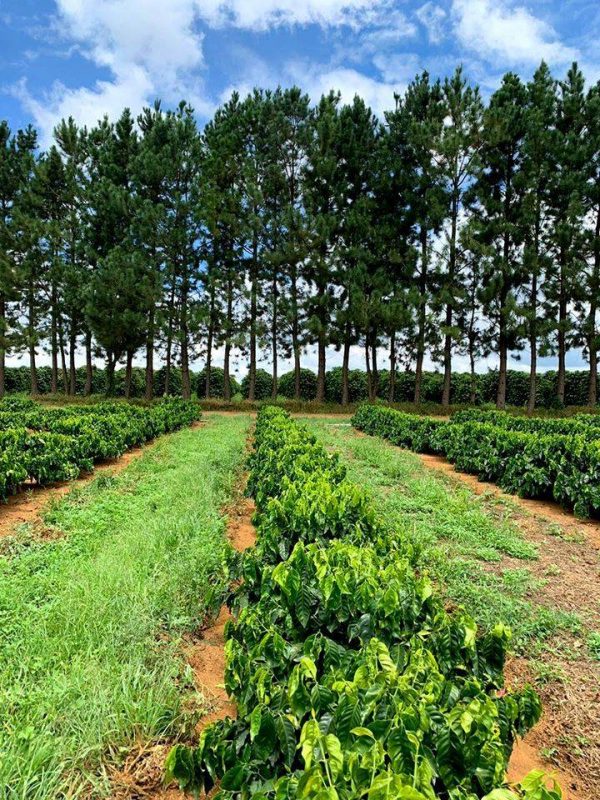
Our three-acre plot is on a high, flat plain in the Cerrado region near the city of Patrocínio. Daterra’s farms are located at an average altitude of over 3,000 ft and some terroirs are around 4,000 ft. The wind, sun and soil there are exceptional for Arabica trees. The diverse altitudes and microclimates on the farm make it one of the best coffee-producing areas in the country. With dry winds on pleasantly hot days and refreshingly cool nights, conditions are perfect for amazing beans to be grown.
Checking In On Our Coffee Trees
Although much of the world has slowed down, our little coffee trees continue to grow and thrive. We are more committed than ever to continuing this work to bring you the most exceptional coffee varieties we can find. Given the circumstances around the world this year, it’s not in the cards for us to make our annual trip down to Brazil to see the farm in person. However, updates continue!
I received some photos from the farm and had a chance to video-conference with Gabriel Agrelli Moreira. He is Daterra’s head of international sales. We spoke about the status of our project and the current health of the trees on our experimental plot. An interesting observation they made is that Daterra’s agronomists are seeing a marked difference from other coffee trees on the farm. In the rest of the crop, Daterra is beginning to see maturation, which means the coffee cherries will be ready to harvest soon.
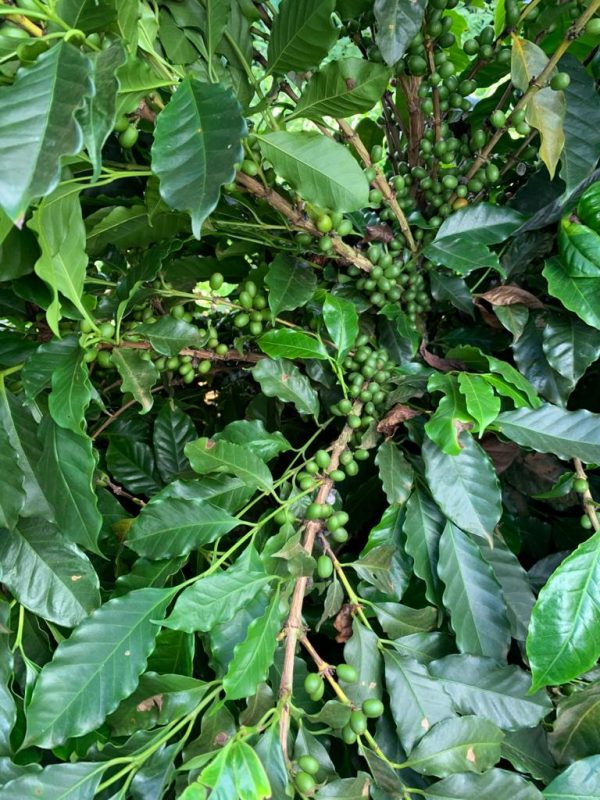
However, the Pacamara plot is actually about a month behind the rest of the farm! Our coffee cherries are still super green. Daterra is attributing that to both the trees still being quite young. The typical coffee cherries of the Pacamara varietal being twice the size of a normal coffee cherry. These trees will be ready for picking by the end of this month, or beginning of June. Our estimate is that we’ll yield just 7 to 10 bags (132 lbs. or 60 kg. each) in total this year. However it is likely just 5 to 7 of them will be usable. After picking the coffee is processed, milled, and sorted, there is always a loss of volume.
The Details Matter In The Final Coffee Cup
Something interesting to note in coffee trees that’s perhaps not discussed often in the coffee world, is the difference between vegetative trees versus productive trees. Vegetative trees have lots of branches, leaves, tree structure, but not a lot of production. With mature, productive trees, it’s the opposite: we see lots of flowers, seeds, and cherries. From what we can ascertain thus far, our plot seems to be more vegetative. Even when fully grown, likely these trees will produce a “medium” amount of cherries. This may not sound ideal, but actually vegetative trees, while they produce less, tend to produce better quality cherries and coffees!
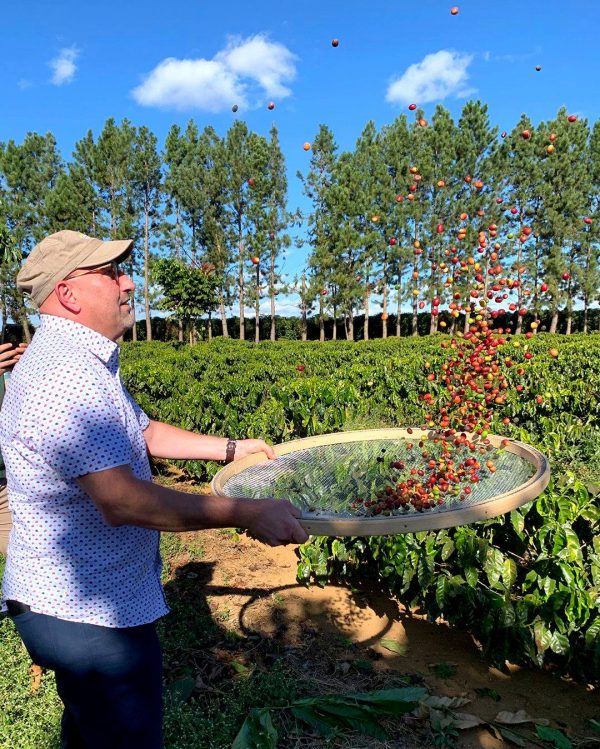
Low production for this year means our focus will be on determining a processing method(s) for the Pacamara. Of the dozen or so processing methods Daterra Estate is able to offer, we have asked that they use the honey, natural process on the tree (called “raisin”), natural processing on raised beds – a traditional African processing method, washed, and anaerobic.
Another aspect of our experiment is determining taste differences between coffees grown under shade as well as full sun exposure. The mahogany trees planted alongside the Pacamara trees are still young, so shade hasn’t been quite established. We have learned that those trees may still take a few years of growth before we see any tangible benefit. We hope our patience will be rewarded!
Love At First Sip
I fell in love at first sip with the Pacamara coffee (see the short video). It has an intense plum flavor that is really pleasant. I really can’t wait to invite you in for a taste, and share the fruits of our growing experiment with you in the future.
Stay tuned! Subscribe to our enews or follow us on Facebook, Instagram, or Twitter, so you be alerted when this very special coffee is released!
Warmly,
-Steve
Steve Mangigian, Zingerman’s Coffee Company Managing Partner
Author: Steve Mangigian
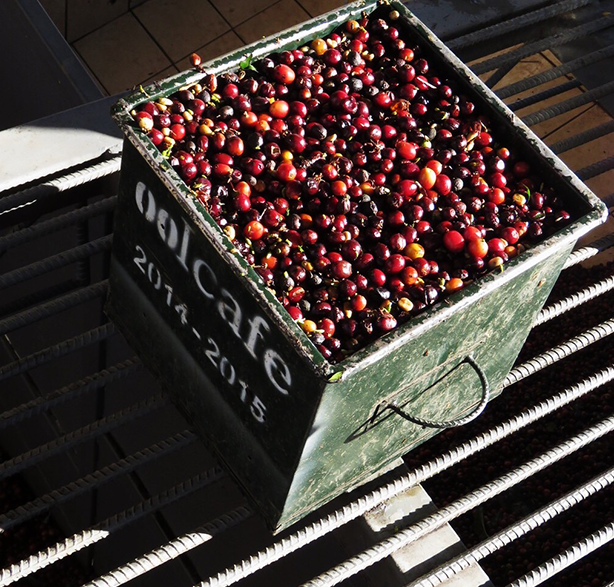
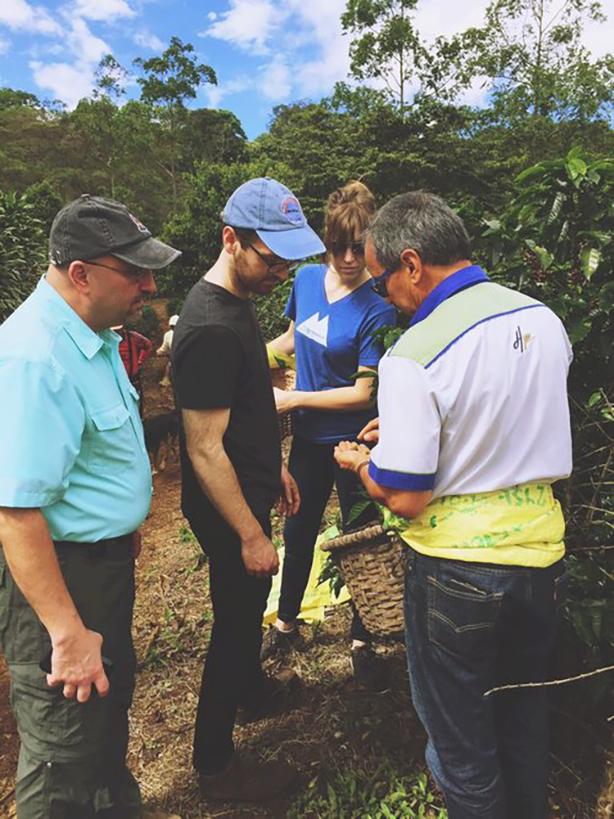
The collaboration between Zingerman’s Coffee Company and Hacienda Miramonte in Costa Rica’s Naranjo region is one we hold dear. Hacienda Miramonte was started in 1917 by the matriarch of the Gurdian family, Lucila Duval de Morales, and has been in the family for nearly 100 years. They are committed to growing quality coffees and giving back to their employees and local community. Steve Mangigian, the managing partner of the Coffee Company, recently took a group to Hacienda Miramonte. Here’s what he had to say about the trip.
I think it’s important to visit the farms we work with—not taking the time to do this gives you a very lopsided view of how the coffee world works. Coffee is an enormous business, the second largest traded commodity in the world next to petroleum. Farm visits help make it more personal, allowing us to connect with the producer in ways we would not be able to otherwise. In short, farm visits humanize the coffee industry.
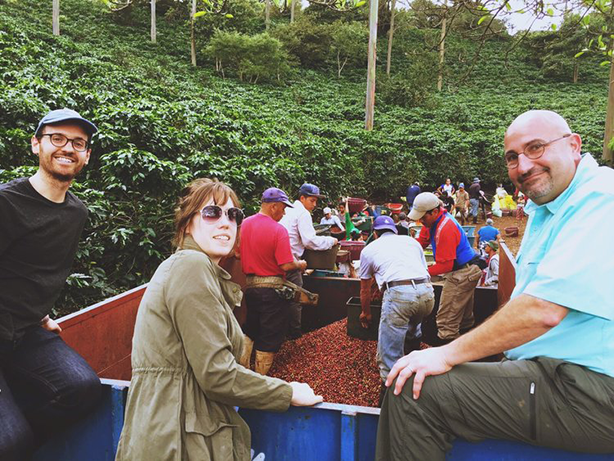
Though I often travel to the farms by myself, on occasion I like to take others for several reasons. For one thing, I want to expose staff in order to help enlarge their world and give perspective to the work they do in the Coffee Company. It’s also a nice perk, and I don’t like to travel alone. As time goes on, I will want to phase out this aspect of the work I do, so priming others allows me to proactively plan for the future.
I love the coffee Hacienda Miramonte produces and their commitment to quality. I also love the relationship we’ve built. I enjoy working with like-minded people as it relates to quality and always wanting to make things better. Most farmers are aware that they would like to produce better coffee but have trouble executing. Hacienda Miramonte is minimally sized, so that allows them to do things for their workers that other farmers cannot, including providing housing, access to healthcare, humane living conditions, and more.
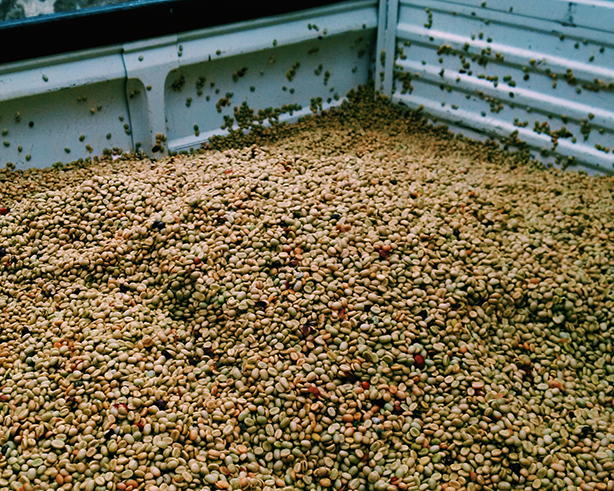
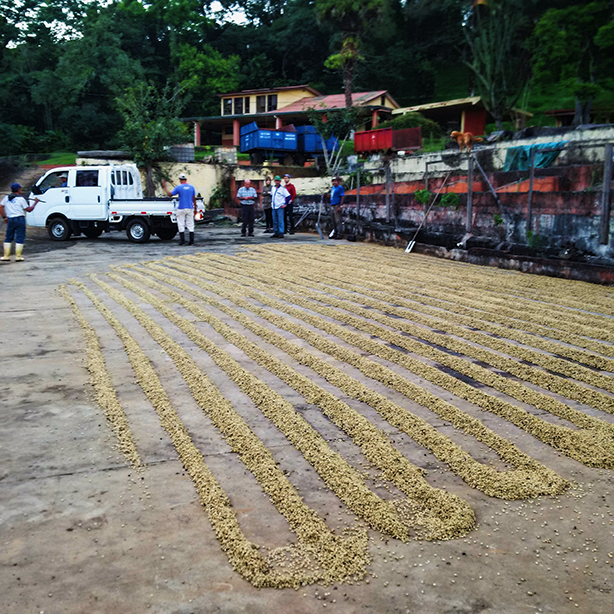
Costa Rica has long been known as a country that produces good coffee. Naranjo, the region that Hacienda Miramonte sits in, has produced excellent coffees for the last 3 to 4 years. They’re not really on anyone’s radar, either, which I love because they quietly go about their business working on greatness and don’t shout it from the rooftops. They just are!
We sell Hacienda Miramonte, Zingerman’s Reserve coffee in our shop and on Zingermans.com. It’s also served it in our shop, the airport, and at our wholesaler’s establishments. Guests can expect a medium roast with a smooth, clean finish and a candy-like sweetness with flavors of caramel and citrus. It’s superbly well balanced. A press pot brings out this coffee’s savoriness, and it also brews nicely as an espresso.
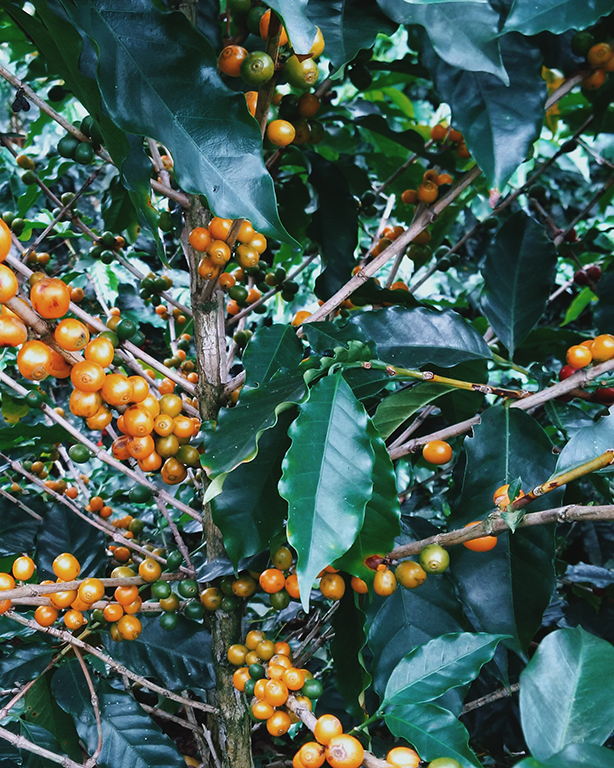
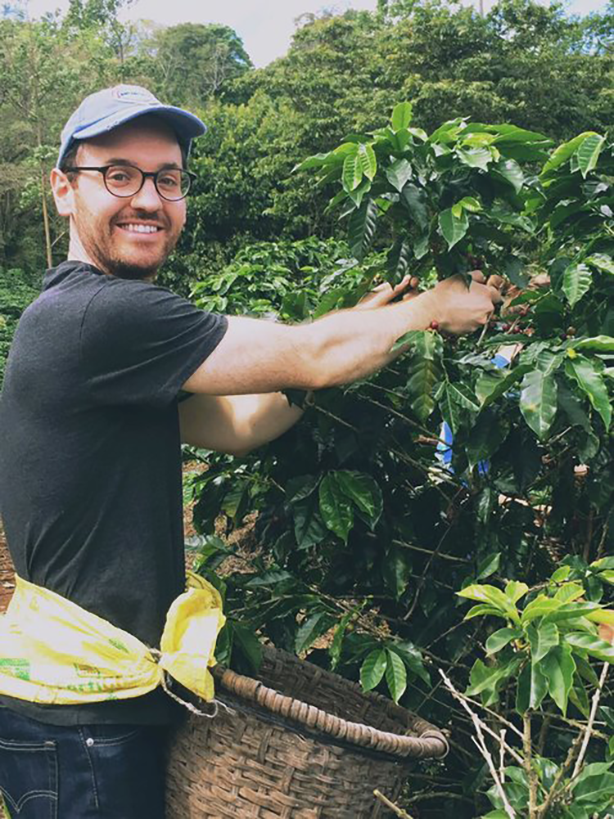
Here are more photos from the trip: