Category: Events
Next in our series of special regional Korean dinners! Like Tuscany, Piemonte, and Puglia in Italy, each region of Korea has its own distinctive styles and dishes. This month’s special meal will feature the central section of the country, Gyeonggi Province. It’s home to not just one, but two ancient capital cities—Seoul, the modern capital of South Korea that most Americans will be familiar with, and Kaesong, the ancient capital of the Koryo Kingdom. While the two are a mere 30 miles apart on the map, in modern terms they’re a whole lot further apart. Seoul is booming—nearly 10,000,000 people and the city with the seventh largest GDP in the world. Kaesong, by contrast, is a small town, about twice the size of Ann Arbor, which ended up being a part of North Korea after the 1950 armistice! It was once the capital of the kingdom of Goryeo and an ancient center of Buddhist study—it had over 70 temples in the 11th century. It was in Goryeo that the first moveable type for printing in the world was used, in the 13th century, 200 years before Gutenberg did it in Europe. Perhaps the most complete ancient Buddhist text came from there and had over 80,000 engraved printing blocks to put it together! Kaesong was also an ancient center of the ginseng trade.
But more importantly at the moment, what about the food for the dinner? Here’s what Ji Hye has to say:
“If you ask which city has the best food in Korea, most people will name the cities of Jeonju, Seoul, and Kaesong. Joseon took over the reign of the country from Goryeo, whose capital had been Kaesong. Centrally located and being a capital of the country, both cities developed a culinary style that are both well balanced and intricate. While the research into Joseon palace cuisine, the basis of Seoul food, has seen an increased interest and support in South Korea, the food of Kaesong has been getting harder to find. Kaesong food has always been preserved and celebrated by the middle-class families in that city, and the preservation for the food has been made possible by the Kaesong families who found themselves south of their hometown when the war ended.
I’m excited to bring the dishes of these two cities with rich histories to highlight the food of Gyeonggi Province with this special dinner. Personally researching this region has been extra engaging because my mother is from Gyeonggi Province and I lived in Seoul until I immigrated to the States at the age of 13. Many dishes that I just took for granted as the broad ‘Korean food’ turned out to be specifically the regional food of Gyeonggi Province, and I’m again amazed at how much more I can learn about a cuisine that I grew up with.”
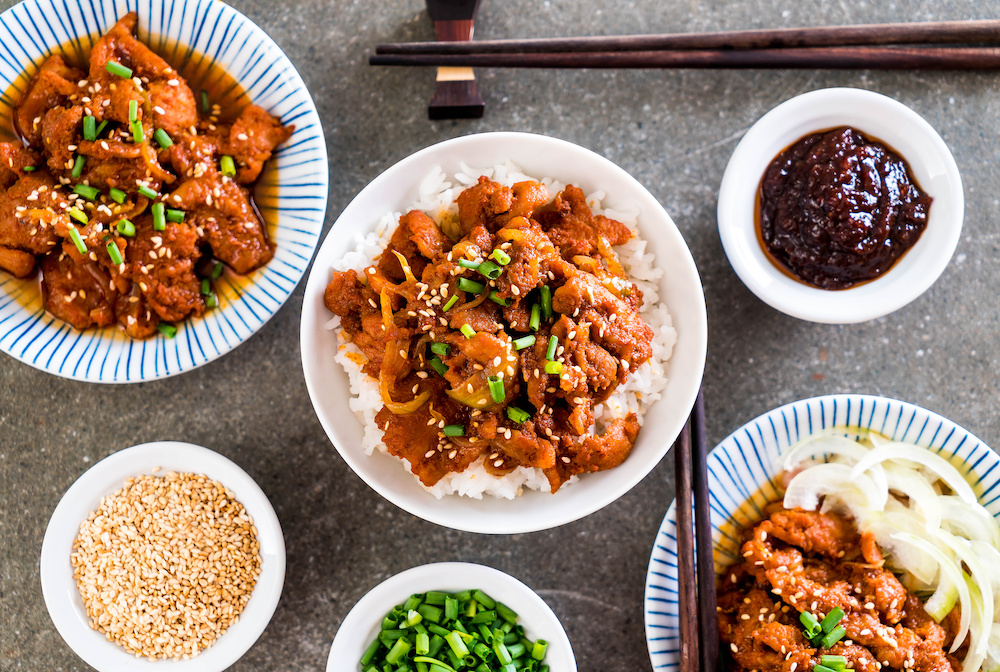
The menu looks beyond marvelous: Milk Rice Soup in the tradition of the Joseon Palace; Chilled Kaesong Dumplings filled with beef, chicken, and vegetables in a chilled soy broth; Cucumbers with Shiitake, Egg, and Beef; Kaesong Pork Bulgogi marinated in gochujang and salted shrimp, then grilled; Jang Napa Kimchi made with soy sauce brine and Goldongbahn—the palace version of bibimbob from Seoul, mostly eaten during the yearly clean out of the pantry. Notable for having only cooked ingredients (as opposed to fresh vegetables) and served with the rice already seasoned (rather than with a sauce on the side to mix).
I will guarantee that the meal will be delicious. And, that this is the ONLY Gyeonggi Province dinner being served in a North American restaurant next Monday evening! Reserve your seat now!
—Ari
Category: Events
We’ve got some great events coming up next week! Care to join us?
Tuesday, June 12th
Special Dinner #225 – Preserving the Food of German Jewish Culture, Zingerman’s Roadhouse, 7-9PM, $75
Wednesday, June 13th
Debbie Millman “Why We Brand, Why We Buy” Speaker Series, ZingTrain,
8-9:30AM, $50
Debbie Millman “The Art of the Story” Special Workshop, ZingTrain
1-5:00PM, $395
Thursday, June 14th
Women Igniting Chocolate: A Panel Discussion & Chocolate Tasting, ZingTrain
7-9:00PM, $35
Friday, June 15th
Beer & Cheese Pairing, Zingerman’s Creamery,
6-8:00PM, $45
Saturday, June 16th
Gelato 101, Zingerman’s Creamery
3-5:00PM, $35
Sunday, June 17th
Creamery Production Tour, Zingerman’s Creamery
11-12:00PM, $10
Click each link for more information or to sign up!
Category: Events
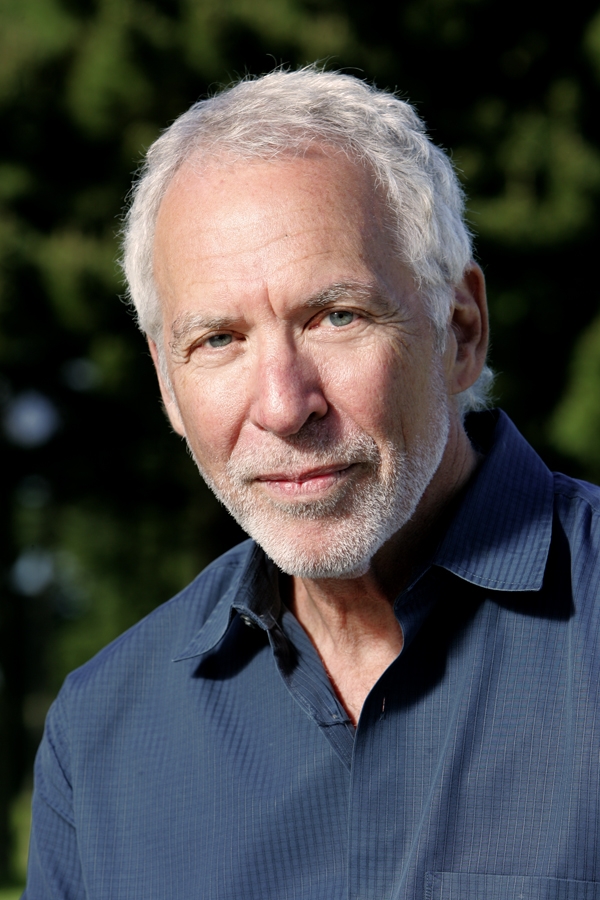
This blog post was written by Peter Block for the Zingerman’s Community site as a preview of the content of his Speaker Series session coming up on Wednesday, August 31.
Building Economically Viable Neighborhoods
Peter will talk about getting really serious about creating neighborhood economies that work for all. Especially in places which are persistently challenged even in good economic times. The session will focus concretely about a fundamental shift in narrative, from language of upward mobility, individualism and brokenness to a language of place, the commons and wholeness. He will talk about new measures of vitality, as opposed to the current annual income as the sole measure of well-being. He will discuss untapped sources of capital that support uncollateralized entrepreneurs and co-operative structures for everything.
Underlying all of this is a shift in thinking that is required to really address the popular symptoms of income disparity and debt burden. It is based, in part on his, John McKnight and Walter Breuggemann’s new book, “An Other Kingdom: Departing the Consumer Culture.” This shift in thinking opens the possibility of moving from a competitive, often predatory economy to an Economics of Compassion Initiative that is happening in Cincinnati.
What follows is the shift in thinking.
Shifting the Consumer Assumption
We want to tilt the economic system towards the common good and end the exiling effects of the current market system. To do this we need to question the basis of the free market consumer economy. The consumer economy is based on certain assumptions:
1. Whatever you have is not enough. If what you have is not enough, then you are not enough. If you have less, then obviously something is wrong with you. This is a scarcity worldview. Scarcity is the engine that drives our economy. Only what is scarce has value. This idea of scarcity is constantly marketed. It is what keeps us constantly wanting. We end up describing people by their average annual income. It also keeps an alternative future out of reach of people on the margin.
2. Whatever you need can be purchased. Everything can be outsourced. Want to raise a child, care for the elderly, be safe, be healthy? You can hire people and systems to do this. The service economy is a catchword for this. We have been distracted from our communal and neighborly capacity to produce much of what truly matters. Being poor in this context means that you do not have the means to outsource.
3. Labor is a commodity. A person can be purchased at the lowest cost and is expendable, replaceable and a holding action for automation. Capital chases cheap labor. It commodifies us. It dehumanizes us and separates us from the human soul that provides the labor. Community and the common good pay for this. In an economy that only rewards market value, if you live on the margin, or are elderly, or a child or youth, or unschooled, then you are declared useless.
4. Land is a commodity. It is useless if not developed and therefore has no market value. If land must be developed to have value, then nature is simply another tool of production. Climate change must be denied. This assumption rests on the belief that if we finally consume and exhaust the land, air and water, and patent nature’s seeds and scents, technology will provide us the genes and tools to adapt to the exhaustion and the engineered life. The land in marginal communities has been considered as waste. Wasteland. The neighborhood then has no economic prospects.
The Alternative Economy is Underway
The shift in the economic system is underway; an alternative system is all around us. It goes by many names: Economics of Happiness, Generosity Economy, Genuine Wealth, Gift Economy, Core Economy, Co-operative Economy, Social Economy. Sharing Economy. We are calling it a Compassionate Economy. All of these names place the common good, the well-being of all, at their center. They declare that there are cultural and spiritual values at the center of community that take precedence over market values. That these cultural and spiritual values are inherent in every place and every human being. That social relationships and social capital are more a measure of value than annual income. This is the shift.
To summarize, the distinctions between the beliefs of the compassionate economy and the market economy are:
1. Co-operation vs Competition. An economy based on local co-operation including the core economy of exchange and generosity, sometimes not monetized vs an economy based on competition, globally sourced advantages and measured only by monetized economic activity, called Gross Domestic Product.
2. Commonwealth vs Privatization. An economy giving priority to the common good and collective interests vs an economy maximizing privatization and individual rights. The “Free” in free market ideology is about freedom from limits and regulation. It is blind to “Free” as in life, liberty and the pursuit of happiness.
3. Gifts vs Deficiencies. The language of the possibilities, gifts and enterprise capacities of neighborhood residents vs the language of neighborhood problems, needs and deficiencies. Even the terms “poor” and “living in poverty” are a distorted and shrunken version of the full humanity of our neighbors.
4. Social vs Profit Purpose. Enterprises which primarily exist for the sake of employees, producers, customers and social good vs enterprises whose primary purpose is return to investors and owners. 140 million people in the US are member of some form of co-operative venture.
5. Local Knowledge vs Expert Knowledge. A belief in the inherent wisdom of local culture, social capital and the productive capacity of citizens vs a belief in commodification, development and resume laden expertise.
Category: Events
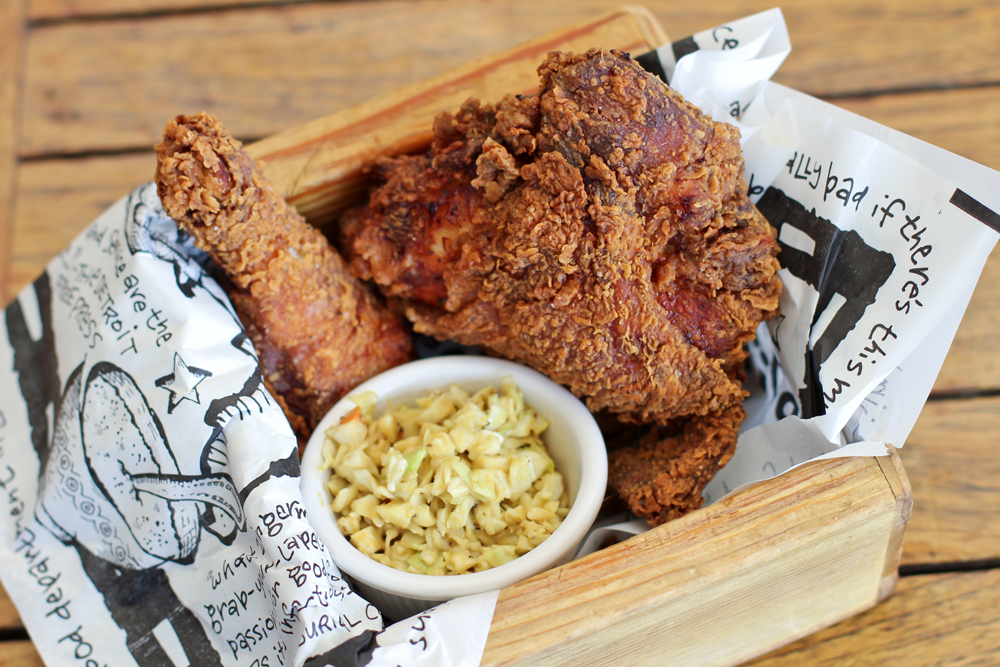
9th Annual African American Dinner at Zingerman’s Roadhouse
Tuesday, January 14, 7pm
Our community is rich with African American culture, history and knowledge and at our 9th Annual African American Dinner we will celebrate the African American Cultural and Historical Museum of Washtenaw County. The AACHM was established in 1993 to research, collect, preserve and exhibit cultural and historical materials about the life and work of Black Americans in Washtenaw County.
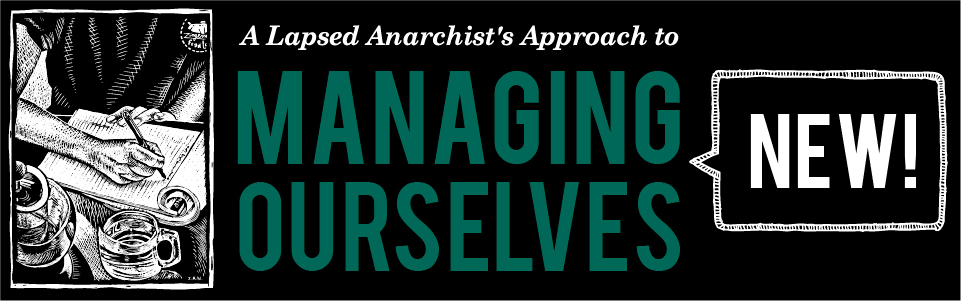
Ari’s New Book is out!
The latest volume, Zingerman’s Guide to Good Leading, Part 3: A Lapsed Anarchist’s Approach to Managing Ourselves, is now available at Zingerman’s businesses! If you’d like to hear Ari talk about the ideas behind the book, join us at Zingerman’s Roadhouse on Thursday, January 16 at 730am for Breakfast Books and Business with Ari. We’ll have plenty of copies of the book on hand, and Ari will be happy to sign your copy!
Flying Cheese at Zingerman’s Creamery
 Please join us this coming Friday, January 17th, 7pm to sample Cheese from the “Flyover” States! Did you know that cheese is made in Minnesota, Iowa, the Dakotas, Colorado, Oklahoma and Missouri? Come taste some of the best cheese being made in the U.S. from the most unlikely places. We will taste 7 great American cheeses that you are unlikely to find anywhere else. See you Friday!

Best of 2013 at Zingerman’s Mail Order
We’ve put together our list of the tastiest, most interesting edibles served up last year. Check out our Best Foods of 2013 list and see the cavalcade of comestibles, including our Banana Bread Gift Box, flavorful Caper Pesto from the island of Pantelleria, and Robert Lambert’s amazing Hot Ginger Caramel Sauce! Relive our top food hits of 2013!
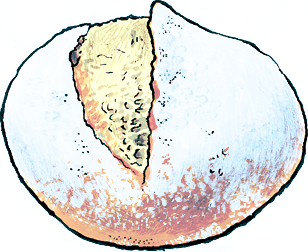 January Bread at Zingerman’s Bakehouse
This month’s bread is Rustic Italian. One of our best selling breads for its versatility. It has a beautiful white crumb and a golden brown crust. From panini to PB & J, this bread does it all.
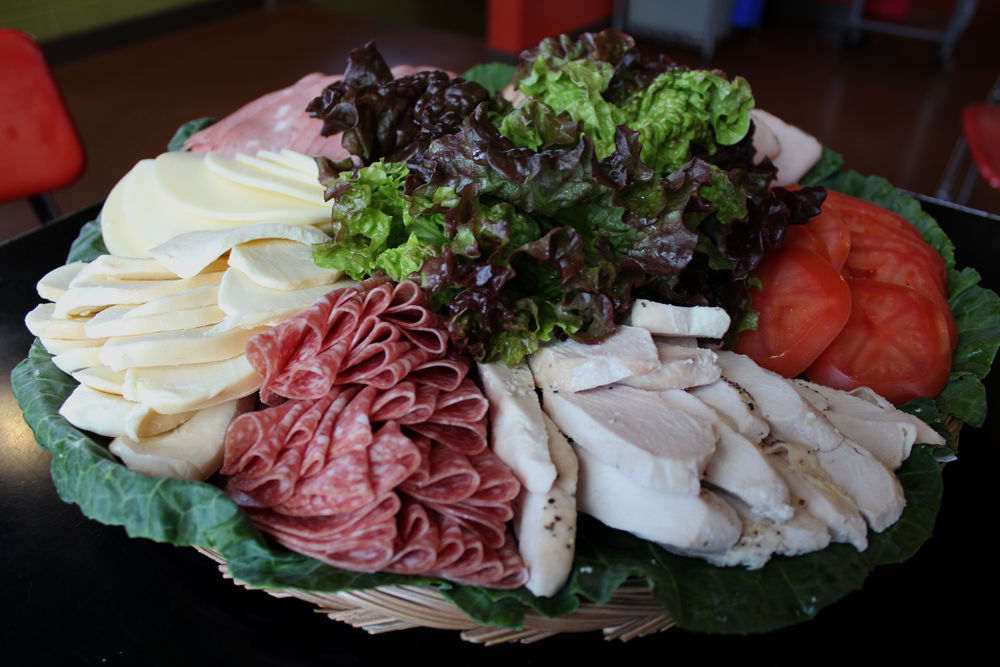
January Deal at Zingerman’s Catering
Here’s some great news to kick off 2014: It’s Buy One Get One Half off at Zingerman’s Catering! Place a catering order for pick-up or delivery, and get your next order of equal or lesser value half off. Order what you’d like — bag lunches on Monday, lasagna on Wednesday or whatever else you have in mind, and you’ll get half off the lesser order. This offer is good for orders that are picked up or delivered from January through the end of February, so call and order as many times as you’d like!

January is special at Zingerman’s Candy Manufactory Today is the first day of Zzanguary!
This month, we’ve made it really easy to stock up on our amazing Zzang bars. Buy any 2 Zzang Bars and get a third FREE! Satisfy your sweet tooth, celebrate January birthdays, or get a deal on treats for upcoming romantic holidays! Celebrate Zzanguary with us!
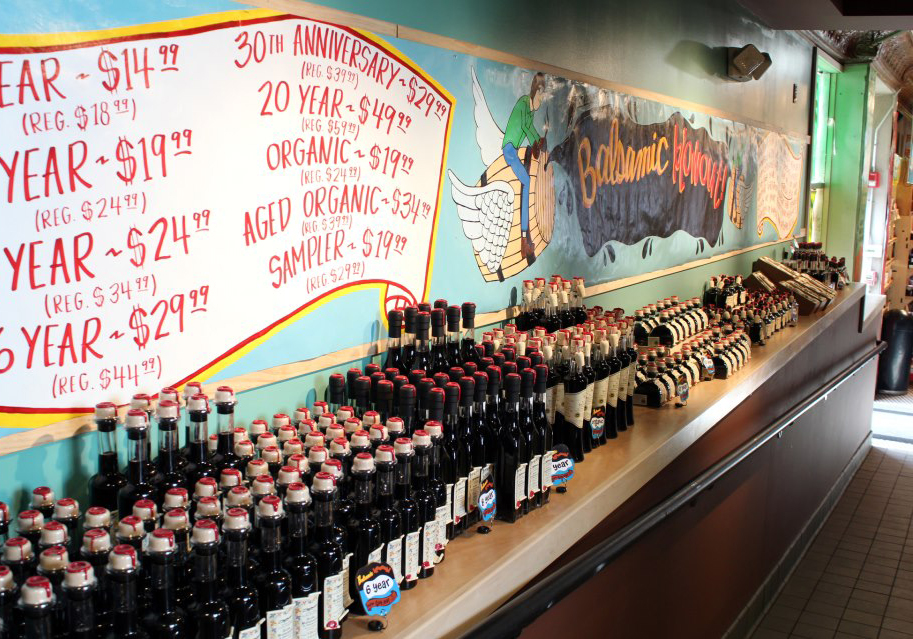
Save on Balsamic Vinegar at Zingerman’s Mail Order and Zingerman’s Deli
It’s the 14th Annual Balsamic Blowout! Amazing deals on your favorite Balsamics through the end of the month. You can choose from samplers from Vecchia or Modena or order a whole barrel! Stop by Zingerman’s Deli for a taste!
See you soon!
Category: Events
 This Friday, Saturday and Sunday (April 22-24th) Zingerman’s Coffee Company is having a Spring Cleaning Sale! Look for great discounts brewing supplies, gift items and special treats. Most items are in limited quantities, so get here before they’re all sold out!